
An official South Australian estimate says 5.62 billion plastic produce stickers enter the Australian produce supply chain every year. At an average of just 0.02 grams each, that’s more than 112 tonnes of stickers annually…
This is symbolic of a much bigger problem: the creeping, insidious nature of plastic pollution and the way responsibility is shifted away from the companies that create it. These stickers suit supermarkets, packers and automated checkout systems. But the cost is pushed onto composters, councils, gardeners, soil and - eventually - our health.
The evidence is strongest on two things. First, these stickers break down into microplastics, which combined with the forever chemicals in their inks, poison our soils, food systems and health. Second, alternatives already exist. Compostable labels made from cellulose, wood pulp and starch-based materials are technically viable. Laser marking can remove the sticker altogether in some cases. What’s missing isn’t innovation. It’s political will.
So here is what should happen. Governments should legislate a rapid transition away from plastic produce stickers and require certified compostable, non-toxic alternatives wherever labels are still needed. And in the meantime, all of us need to do our best to keep these stickers out of compost and FOGO…
Yes, these plastic stickers are totally stupid.
And l didn’t even know they were non-degradable until a year ago or so.
Caught me by surprise hearing that.I guess most people don’t know that, leading to huge amounts of unnecessary plastics in the organic waste collection bins.
The not knowing seems to be by design with the plastics industry.
Laser marking seems so obvious to me, no waste, no input materials. I wonder if that reduces sales though.
Might poorly affect shelf life of thin skinned fruits
I cut them off, I don’t trust the gum residue.
The adhesive is edible.
The stickers are non-toxic.
I still don’t trust them.
You should read up what they actually spray on food.
It’s feces.
there is this thing that can laser etch onto a lot of fruits and such as long as they have some sort of skin. like I think it even worked on tomatoes.
I hate them. They now are on every single banana because customer used scanners exist and customers couldn’t possibly be expected to either know the code for bananas (4011) or even worse, use the lookup.
I don’t really understand how you square running a blog about environmental conscientiousness with using AI slop but, ok. Your point about plastic stickers still stands fine. I’m just a little confused.
If you are saying the picture is AI generated, I believe you are mistaken. However, if it is, my apologies I am in my 70s and my eyesight is not what it used to be. I thought the stickers the author pictured are the old ones he found in the compost.
Perhaps some AI slop is in the eye of the beholder. Why are you confused?

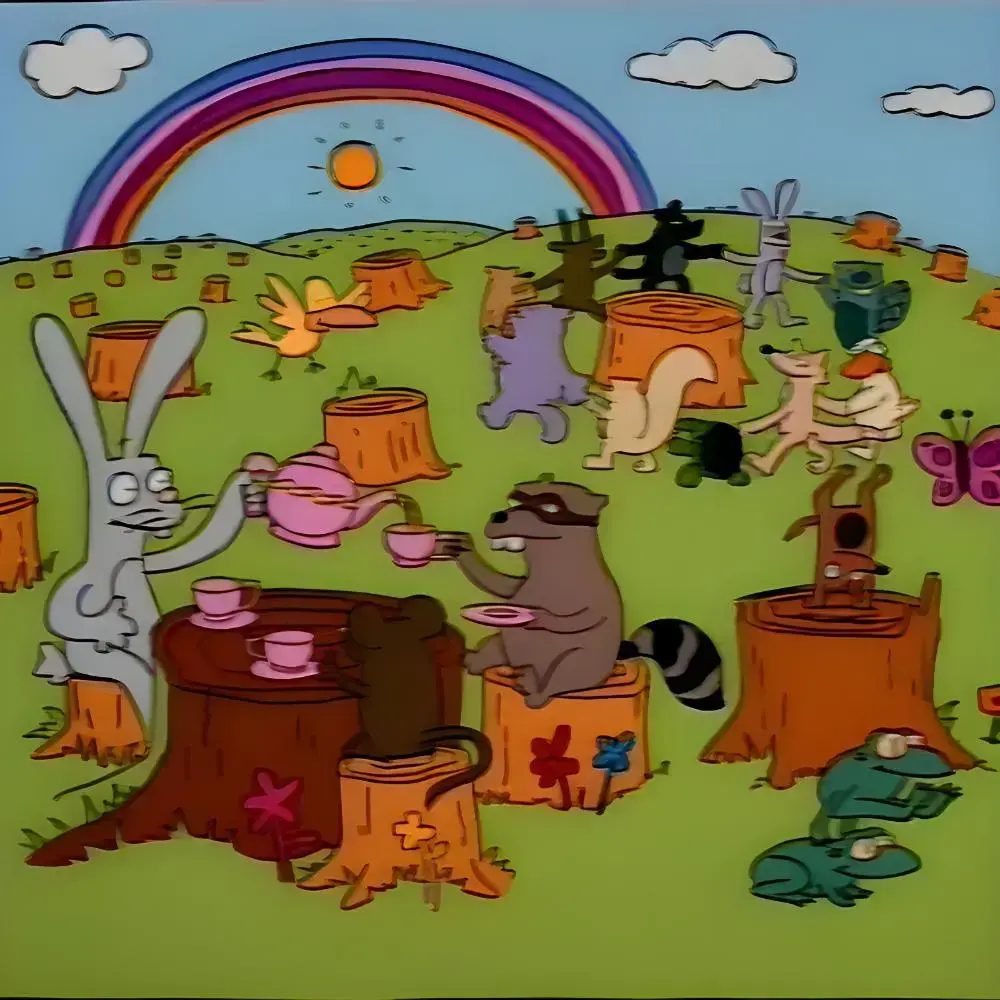
I was referring to the photo that comes with this article of the stickers, not the cartoony ones. I guess he’s trying to make his messages accessible to people who are at all levels of understanding.
I can’t understand why we aren’t instead using entirely-nonharmful-spray-on-in-labels.
It’d be less marketing-effective, it’d be something people couldn’t move from 1 item to another ( to steal from the self-checkout ), & it’d remove the damn stupid stickers.
_ /\ _
Can you explain more about the spray-on-in-labels. That’s new to me and I’d like to learn more. There may be others the same.