

1·
5 天前Usenet-crawler has it, they give 5 free grabs per day. DrunkenSlug does not.
Edit: silly me, forgetting that fedivese communities are inactive enough that you need to start checking dates when you scroll down a community feed
I’m just a person who does mycology for fun
Usenet-crawler has it, they give 5 free grabs per day. DrunkenSlug does not.
Edit: silly me, forgetting that fedivese communities are inactive enough that you need to start checking dates when you scroll down a community feed

I’m using Tunarr which hooks up to a Jellyfin or Plex library and lets you customize channels and filler content (ads) with a bunch of different scheduling tools. Definitely a more heavyweight solution than those plugins but a lot more flexible.
You still have to find the filler content yourself but there’s plenty of playlists on YouTube and Tunarr also supports local libraries so you don’t need to clutter up your Jellyfin library with them.

I didn’t like most of season 1 but it started to get better near the end, S2 onward was great.

Distance by road is probably longer than by plane as roads need to follow terrain instead of going straight from point A to point B, hence why the author felt it necessary to specify.
I was right, mazegills!
Thanks for indulging me.
They’re tough and woody so not many volunteers to try.
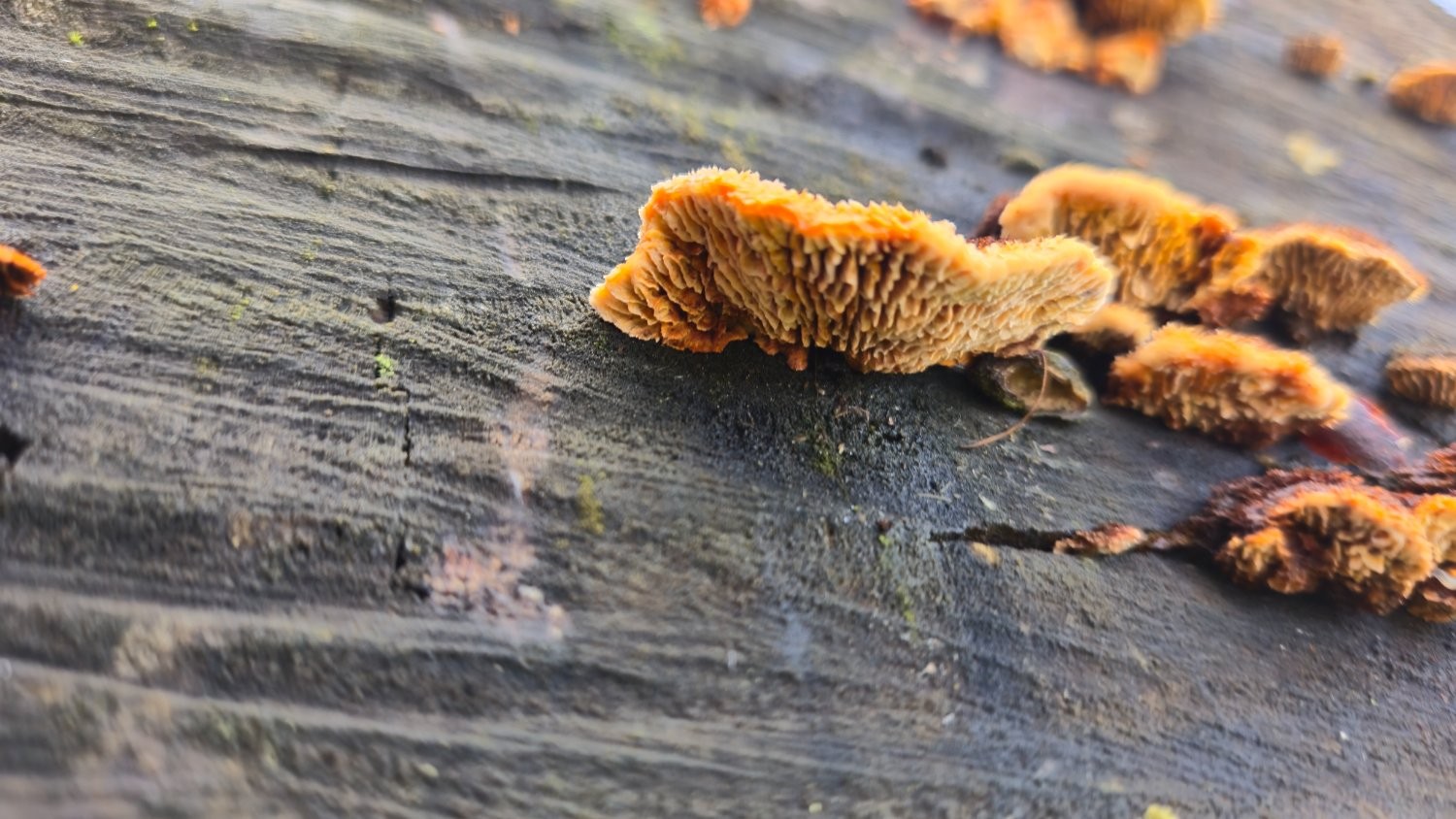
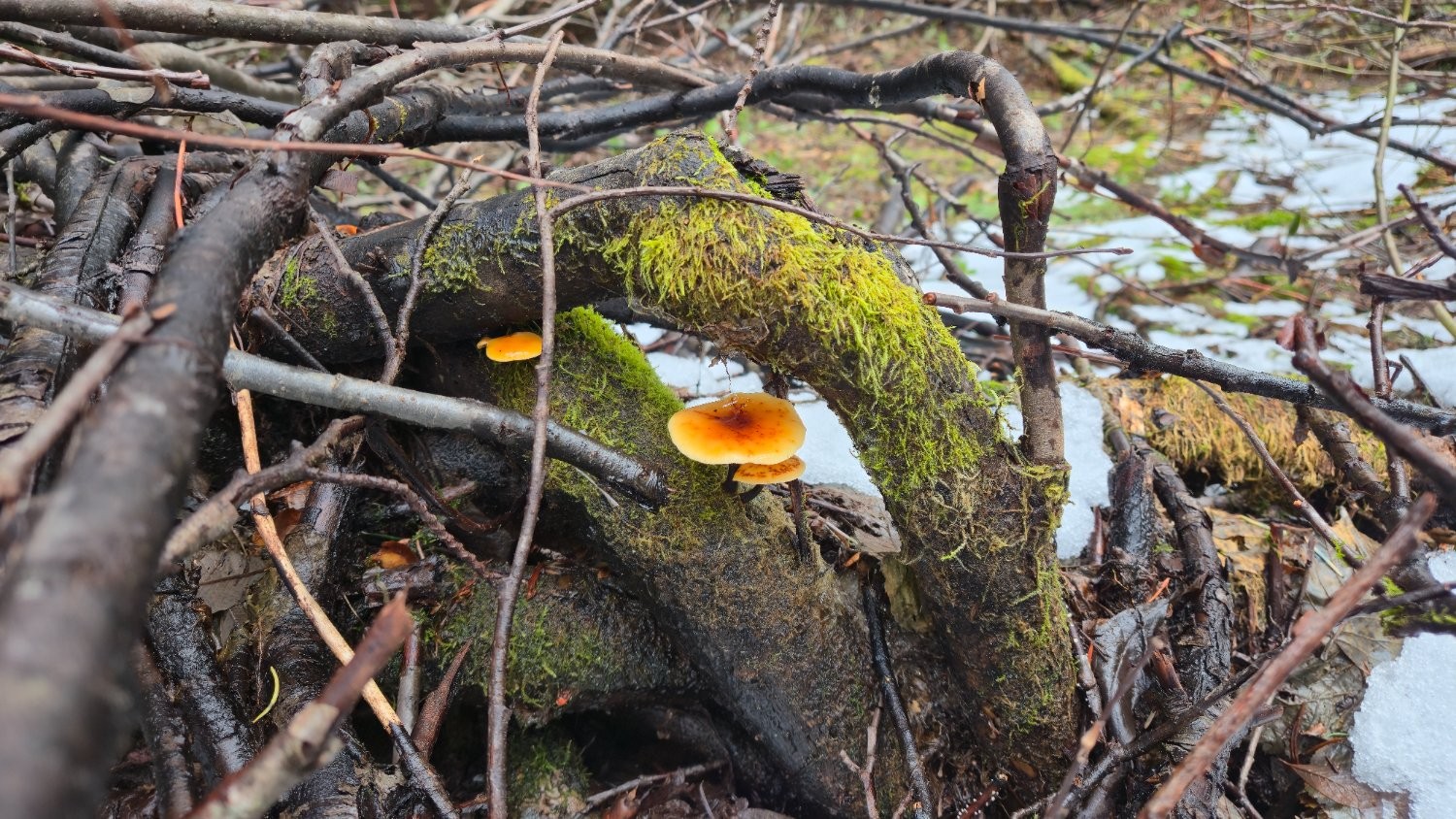
I know this isn’t !mycology@mander.xyz but I’m still sad there’s no pic of the gills/pores. Especially since these look like Gloeophyllum which have really cool gills.
Doctor Hiriluk was on to something.
Nice, I’d love to find one of those some time.

I got started with jellyfin and never used Plex but there’s a bunch of rough edges:

Not yet but I probably will at some point. Wild oysters are better than cultivated so maybe these will be too.
Though with oysters the wild ones I’m eating are probably a different species than the cultivated. Someone sequenced a grocery store oyster for fun and it turned out to be something close to Pleurotus floridanus while the ones we have in the PNW are usually P. pulmonarius or sometimes P. ostreatus.

Mycology is full of them which are mostly the result of genetic sequencing and the good old “where do you draw the line between species” question but a recent and high visibility one is the Collybia shift.
Before genetic testing, Collybia was a genus characterized by smallish pale-spored mushrooms with convex caps, no ring, and gills which are broadly attached to the stem (the simplest shape the average person would imagine for a mushroom), this became one of the classic “statures” of mushrooms “Collybioid”. As we sequenced Collybia species, they were slowly moved into other Collybioid genera like Collybiopsis and Gymnopus. Eventually this resulted in most of the Collybioid mushrooms being moved out of Collybia, leaving only the earliest-discovered mushrooms in the genus which were tiny parasitic mushrooms that weren’t really Collybioid at all.
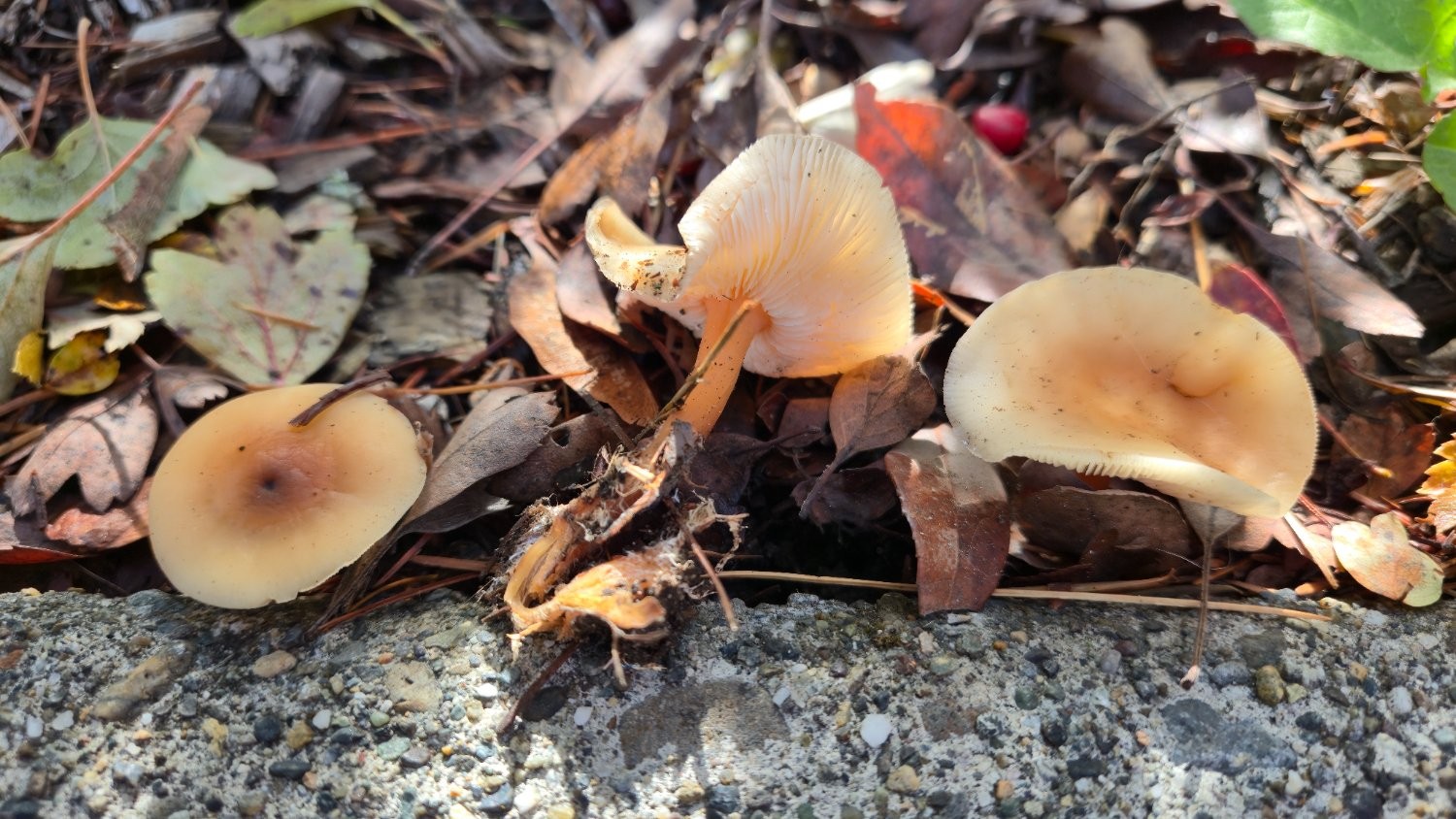
Here’s an average “Collybioid” mushroom Gymnopus sp.
Then things got worse, a recent paper did a study on genus Clitocybe which is another genus which has a classic stature named after it, “Clitocyboid” which refers to smallish pale-spored, funnel-shaped, mushrooms with gills that run down the stem. This paper discovered that nearly everything we had been calling “Clitocybe” actually belonged in Collybia meaning that most mushrooms in Collybia are now Clitocyboid instead of Collybioid. This has resulted utter chaos which has some mycologists considering invoking the “common usage” rules in taxonomy to put the new Collybias back into Clitocybe to make things less confusing. This chaos has been compounded by the fact that iNaturalist has already accepted this name change, but only for the mushrooms explicitly studied in the paper and not their known relatives which has resulted in the Blewits being split between Collybia and Lepista (which itself was a recent name change from Clitocybe that everyone was still adjusting too).
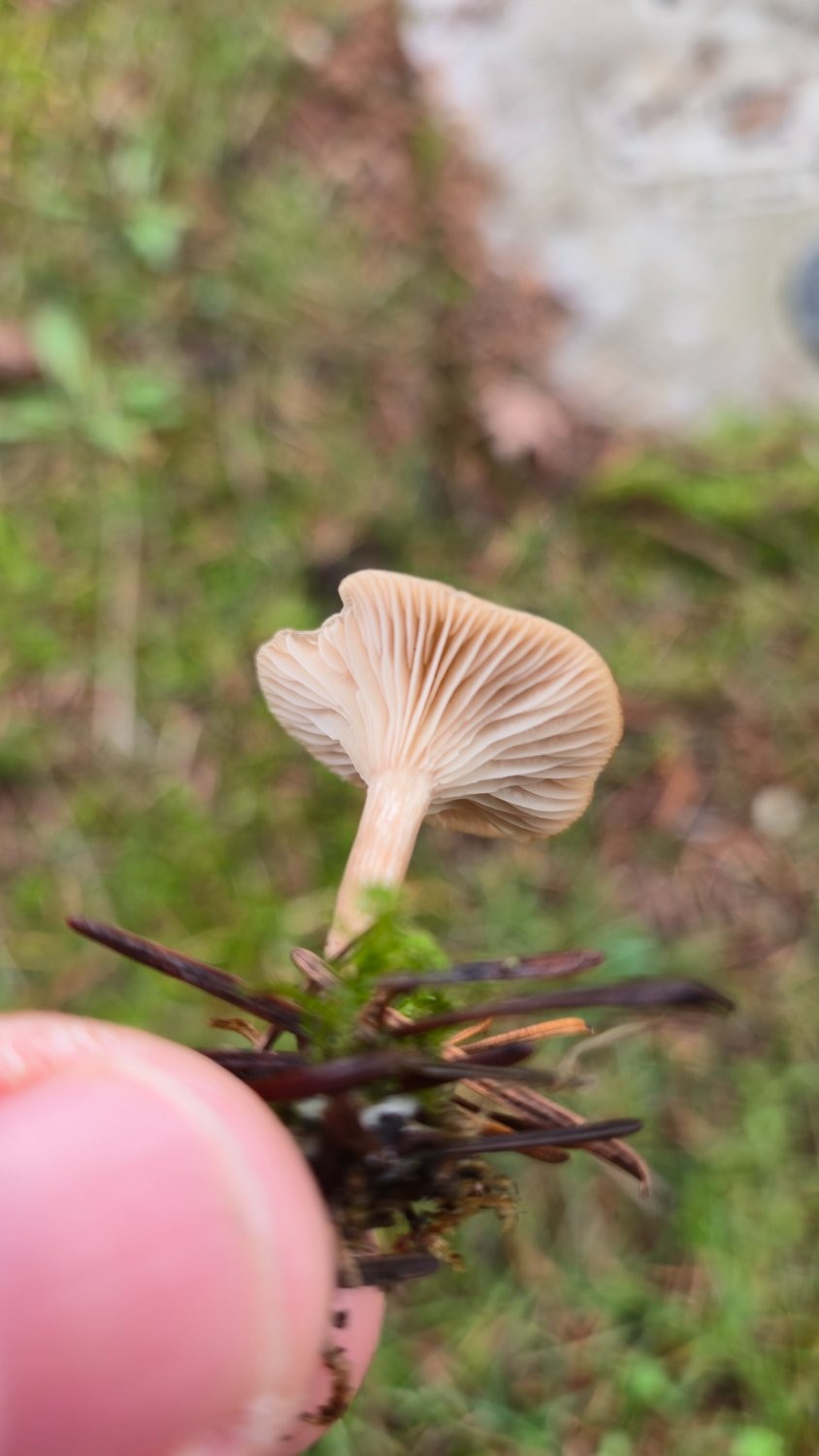
Average nondescript Clitocyboid (no ID because these are nearly impossible):
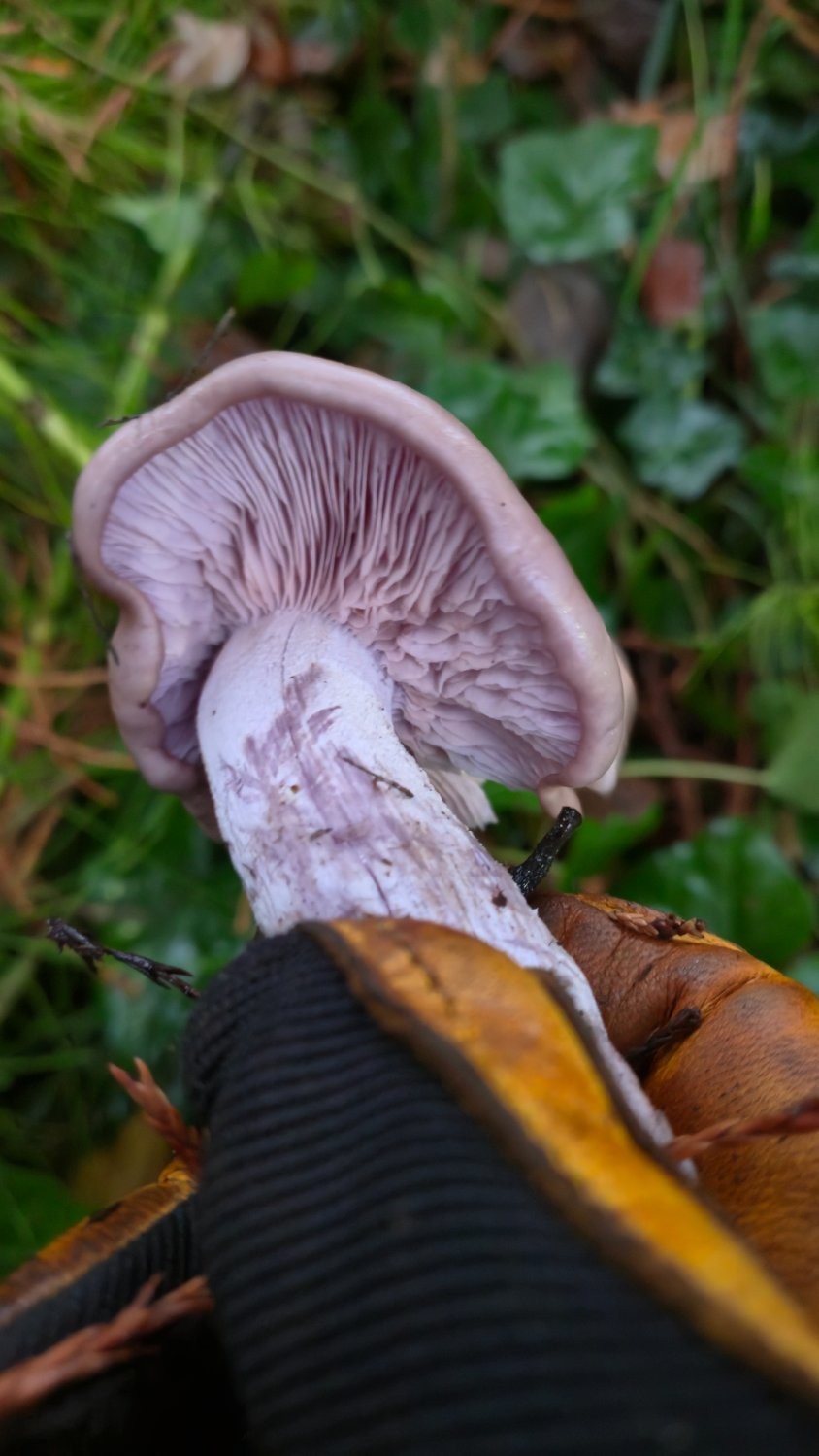
A Blewit, AKA Clitocybe/Lepista/Collybia nuda:
The drawback to spaces is that people with vision issues or dyslexia lose the ability to make the code more readable in their IDE by adjusting tab size.

There are a bunch, some have the “eggs” attached with little strings to make them fling in different directions, some keep the eggs in jelly until they’re ready to be splashed out, some are weird little balls that burst open instead of cups with lids that pop off.
You usually find them on twigs, they’re hard to spot because they’re all pretty tiny.

Here’s some I haven’t seen mentioned yet. Live action:
Adult Animation:
Kids/teen animation:

I’m sorry to say that’s not even on the average person’s radar.
I read it as the main character being so self-deprecating that he extends his self-deprecating attitude to whichever political ideology he adopts.
I’ve considered it enough to have the this guide bookmarked but I haven’t read through it yet.


Star Trek governing bodies tend to include the founding species in their name so citizens of “The Klingon Empire” can be called “Klingons” regardless of whether or not they’re actually of the klingon species. The same doesn’t apply to any species like humans who are citizens of The Federation, unless you’re talking about the Mirror-universe Terrans who are citizens of The Terran Empire.