

1·
9 hours agoIts centered on the US because they’re harming themselves and everyone else all at once. “Flooding the zone” as it were. What’s there to be done but stand on principle and dominate the narrative.
Inception, followed by a kick.
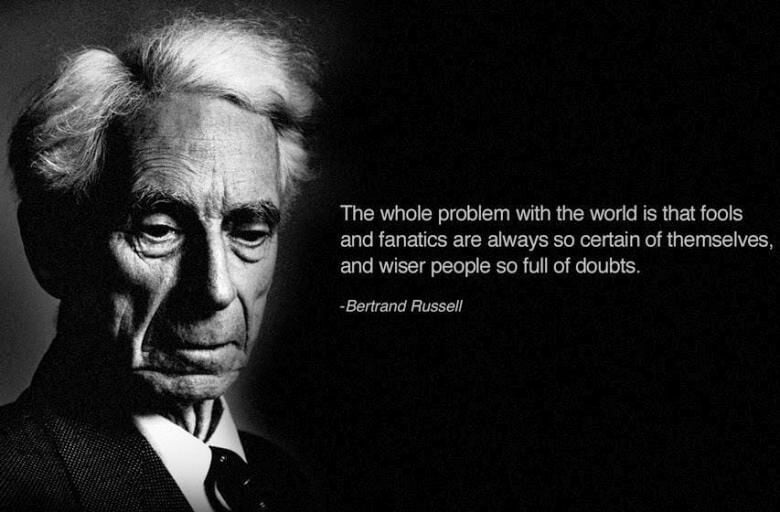
Been a student. Been a clerk. Been a salesperson. Been a manager. Been a teacher. Been an expatriate. Am a husband, father, and chronicle.
Its centered on the US because they’re harming themselves and everyone else all at once. “Flooding the zone” as it were. What’s there to be done but stand on principle and dominate the narrative.
Inception, followed by a kick.
Thanks for that. And true, Durden was not the best to offer. I meant it to be jarring. I meant it to reach out to the disaffected youth and the millennials and the middle of the road white boys. It is anachronistic. And, you might note, it’s no longer about Douglass in that last sentence. It’s us. We, now, are, and should be, pissed off.
The thing is, black anger has always been regarded a threat. My anger has always been a threat. So, I picked one of my heroes as a picture. One of the first of ‘the other’ to take command of his own photographic image. But the current state of affairs — which has never changed — caused me to co-opt the words that, in some readings (like the one you shared), spurred on the Tea Partiers, the “basket of deplorables”, and the Red Hats. An inversion, or, if you like, a suplex for those words.
It was not the smartest, or most apt move. But, it’s what I chose. And published. And am responsible for.
Thanks for your insight.
Wexit is like Brexit but way more petty, stupid, and pointless. An independent Alberta couldn’t defend themselves against ICE stationed in Montana, let alone the US military proper.
And, since America is taking custody of oilfields in this hemisphere under the Monroe Doctrine, the Tarsands are a likely target. Danielle Smith better get comfy cosy with the idea of living in a detention facility, charged with “insulting the Dear Leader under her breath” (slander) or “being a woman in power” (blasphemy).

Quality over quantity, friend. I’ve promoted the Massey Lectures for over a decade to anyone who’d listen. Today, you get a detailed response and I get something to refer back to. Non-zero sum gains are the best gains.
Thanks for your original ask. I’m glad you took interest.
That’s an incredible quote. I still need to read more Douglass. Thank you!
Also, nice turn toward the positive there at the end.
Oh, it’s much, much, much less than that.
0.0000416%, 1/24 millionth of the sky.
Here, a .gif on Reddit
It confirmed the cosmic insignificance of Earth, the profound vastness of space and time, and — at the same time — the rarity, beauty, and fragility of life. Human perception, memory, and understanding is tiny. But, it reaches toward infinity.
Ill only recommend ones from those I’ve read. Here are 10. Looking at the list on Wikipedia, I want to read almost all.
1995 – John Ralston Saul, The Unconscious Civilization
I didn’t realize this was a Massey Lecture when I read it. A fascinating insight into the business culture of management. Forecasted the runaway hit book Bullshit Jobs
2003 – Thomas King, The Truth About Stories*
This is the only one recommended that I havent read I do so on the strength of the other book by Thomas King I read: the Inconvenient Indian (which is a game changer, and I should’ve mentioned in my 1st post).
2004 – Ronald Wright, A Short History of Progress
Vital. A top 3 pick.
2008 – Margaret Atwood, Payback: Debt and the Shadow Side of Wealth
This was the first one I read at the time it was released, knowing it as a Massey Lecture and before the lectures were delivered. She wrote it in early 2008. Published in the summer of '08 and the the bottom fell out of the stock market in September. She then toured Canada saying, and I’m paraphrasing here, “Well, shit. I didnt know I was this right.”
2009 – Wade Davis, The Wayfinders: Why Ancient Wisdom Matters in the Modern World
Wade Davis is a cultural anthropologist. His perspective is fascinating. For everyone who loves Moana he consulted on that film. One of his lectures is about Polynesians expanding across the Pacific.
2010 – Douglas Coupland, Player One: What is to Become of US
This, the 50th anniversary, is the first series of lectures that are fictional. Also, the first ones that I attended in person. I’m still waiting for lecture 1 to actually happen.
2012 – Neil Turok, The Universe Within: From Quantum to Cosmos
I love these ones because they’re accessible science. Top 3.
2018 – Tanya Talaga, All Our Relations: Finding the Path Forward
I guess, because of the Thomas King revelations above, these are the first lectures delivered by a person of First Nations descent.
2020 – Ronald J. Deibert, Reset: Reclaiming the Internet for Civil Society
Blew my absolute mind. Top 3.
2023 – Astra Taylor, The Age of Insecurity: Coming Together as Things Fall Apart
I love this one. The first lecture, Cura’s Gift, captured my heart.
I know, I know, the billionaires are fast-tracking another generation of Cylons. I promise, it’ll be different this time.
Or, maybe not.
Empires fall.
Rulers — elected, appointed, and de facto — grow lazy, stupid, overconfident, and short-sighted.
Listen/View: The Fall of Civilizations podcast
All of this has happened before. All of it will happen again. The trick is to have a long, calm interim of stability, providence, and peace.
Read: the Dawn of Everything by David Graeber and David Wengrow. I got lazy and used the Wikipedia link.


this portrait of Frederick Douglass—an escaped slave who had become a lauded speaker, writer, and abolitionist agitator—is a striking exception. Northeastern Ohio was a center of abolitionism prior to the Civil War, and Douglass knew that this picture, one of an astonishing number that he commissioned or posed for, would be seen by ardent supporters of his campaign to end slavery. Douglass was an intelligent manager of his public image and likely guided Miller in projecting his intensity and sheer force of character. As a result, this portrait demonstrates that Douglass truly appeared “majestic in his wrath,” as the nineteenth-century feminist Elizabeth Cady Stanton observed.

Just posted this on Bluesky because I just watched it too.
The standing ovation, rare for Davos (and for whatever it’s worth), recognizes two things:
Canada’s proximity to the hegemon mentioned.
Carney’s stature in the world of finance.
That’s it. The content, the message tilted toward an activist approach, in my opinion. It is consistent with the calculations and moves made so far. But, it is not revolutionary or beyond the scope of the established political moment.
There is merit in developing the “networks” he mentioned. There is truth in the act of “taking the signs down”. None of it is new. -2 burned the US sign on the White House lawn exactly nine years ago.
Courting China is basic math at this point. Canada’s resources — fossil fuels, rare earth metals, water, the Arctic Ocean — go a long way in that conversation. Too bad it’ll cost Canada’s reputation for environmentalism, attempts at reconciliation, and other human rights championeering. It is a Brave New World, though much like the old world, now with AI.
As long as we are playing a zero-sum game — enforced by military-industrial actors, a capitalist-loving system, and fractious bets on future value — winners, offensively, seek power by force; and losers organize defense against attacks. The rhetoric is the opposite: winners play victim; losers stage victories. What a circus!
Lesser Known Monsters of the 21st Century by Kim Fu.
Its a fast read, 12 short stories and I’m a bit more than half way through. I’ve been taken in by several of them.
Please enjoy.
Along with Naomi Klein and Ta-Nehisi Coates works, plus John Ralston Saul’s The Unconscious Civilization, Rutger Bregman’s Utopia is for Realists and several Massey Lectures, these have shaped my outlook on the world as it is.
Because this came last, for me, it recast this human experiment of ours and the depth of misdirection that is going on now.
Im glad you’ve said this. Before I saw The Death of Yugoslavia, I honestly believed that modern warfare was clean, clinical, and restricted to willing combatants. That the Geneva Conventions, various constitutional statements, and human honour and decency were a part of modern wars. At least since Vietnam.
No. I was disabused of that notion by this documentary. Yes, I agree, the BBC shouldn’t have the last word on a war in Eastern Europe. The BBC probably shouldn’t have the last word on anything. However, they did happen to have the first word — to me — on the importance of understanding how modern wars get started, how they progress, and chillingly, why they don’t end. It’s a sad, slow, solemn march into oblivion.
I’m not going to argue the utility of the comment.
I said, didn’t I?, it was a throwaway line — vaguely connected for a 7-minute, TikTok-friendly scene with a cameo by a pretty solid character actor. Anything to keep 10% of readers interested for one more paragraph — this attention economy is the pits.
You seem like a film/media purist. What consumable, catchy, full-length film helps you to make sense of Mr. Toad’s wild ride into authoritarianism?
Not pertinent.
…
…
Yet.
ech@ is right. I threw that reference in there for no good reason.
Yet, that Jesse Plemons scene (spoiler!) is feeling pretty chilling to some. But that’s all. For now. I had Kyle Rittenhouse vibes off of that. Linked article reminds us, he was acquitted.
But for whatever an answer to the question is worth: It’s a solid 6.5/10 movie. I’ve not felt the need for a second viewing. Watching America tear itself apart in real-time is a little more pertinent.
Im reading Fledgling by Octavia Butler. My first book of this genre in a long while, and it does seem to live up to its promise that it would break from form.
This was a summer read of mine last year. Good stuff.
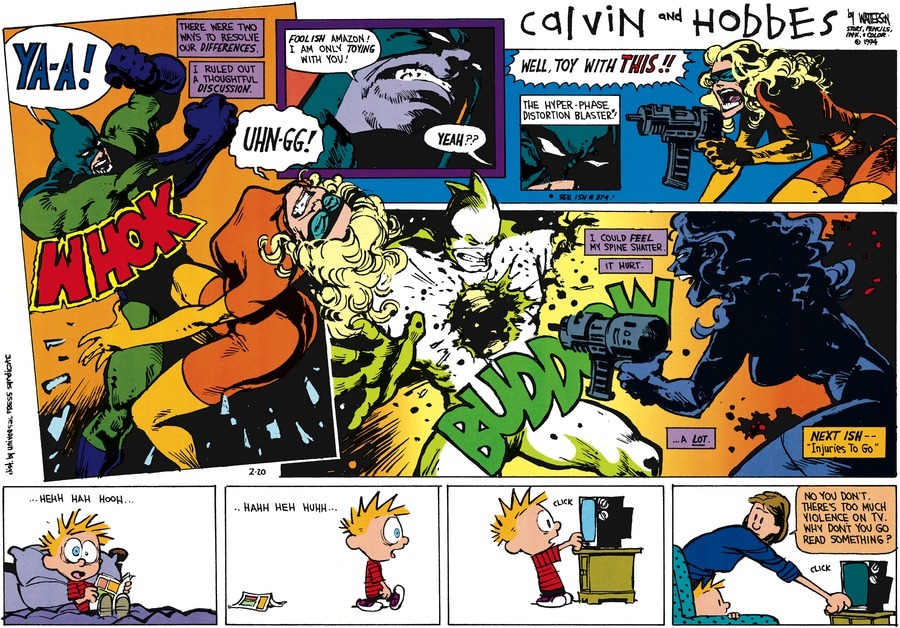

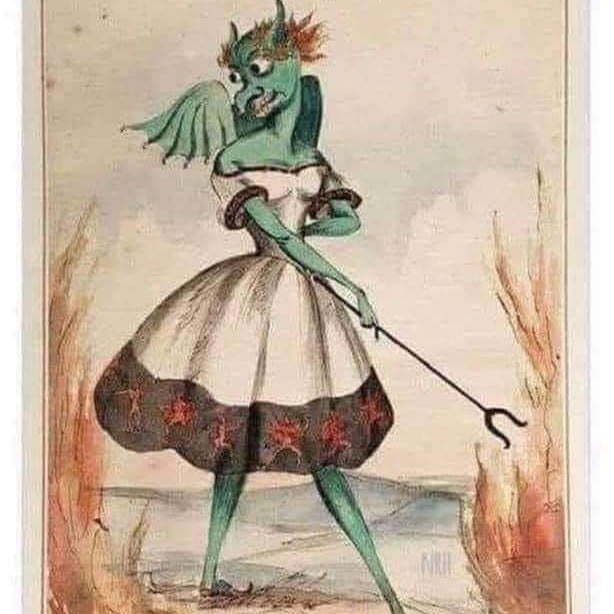
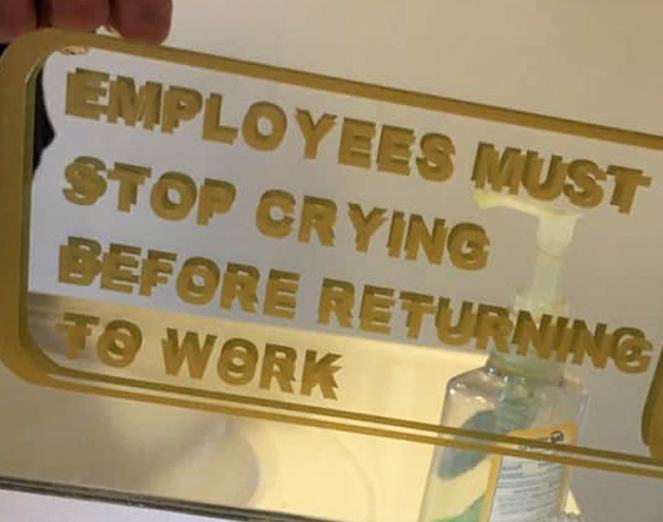










Note to the CEOs:
Which EXACT side of history are you on? What are you willing to do to help… heal this country?
CEOs, all of you, can change everything. You can (somewhat) free yourselves of culpability by abandoning this violent system. End exploitation, support communities, prioritize people. This system cannibalizes us all. Do what it takes to not get eaten.
Set a new standard.
What your people, your state, and your nation need is a new course forward. Not riches. Not power. Not influence. Not dominion. Not any of the colonial values. No more. Abandon those hopes. Build back better.
Care. Not just “Minnesota nice.” Human security for all.
Build. Sustainable, science-based solutions.
Action. Recognize, understand, apply, and create a future that depends on promoting people, not capital.
The next iteration of the American experiment awaits.